In my 10 years as a Finno-Ugrist, I have developed something of an appetite for Finno-Ugric trivia. I love digging the archives and coming across crazy things. Witty Mari riddles, unexpected example sentences in academic papers, odd Udmurt mythological creatures and customs, Ob-Ugric folk tales lacking any logic or coherence whatsoever – they give me a kick of joy, I collect them like the dragon collects its treasure.
I couldn’t help but share what I had found. I have always been a sucker for telling people about stuff they hadn’t known before, and I took a full nosedive into social media with my Finno-Ugric treasure. I first used my old university’s Facebook in Hungary. My colleagues joined in, and we shared pictures and anecdotes from fieldwork, overturned dumb articles, created memes and this quickly tripled our follower count. The success inspired us to visit schools where we introduced our work and the Finno-Ugric world. Our calendar filled up in a week. After I left the department in 2020, I created a Twitter account and kept posting my beloved Finno-Ugric trivia there. Now I have almost 3000 followers, I wrote to multiple newspapers, did several interviews and got invited to schools in my new home, Estonia. Have I become a Finno-Ugric influencer?
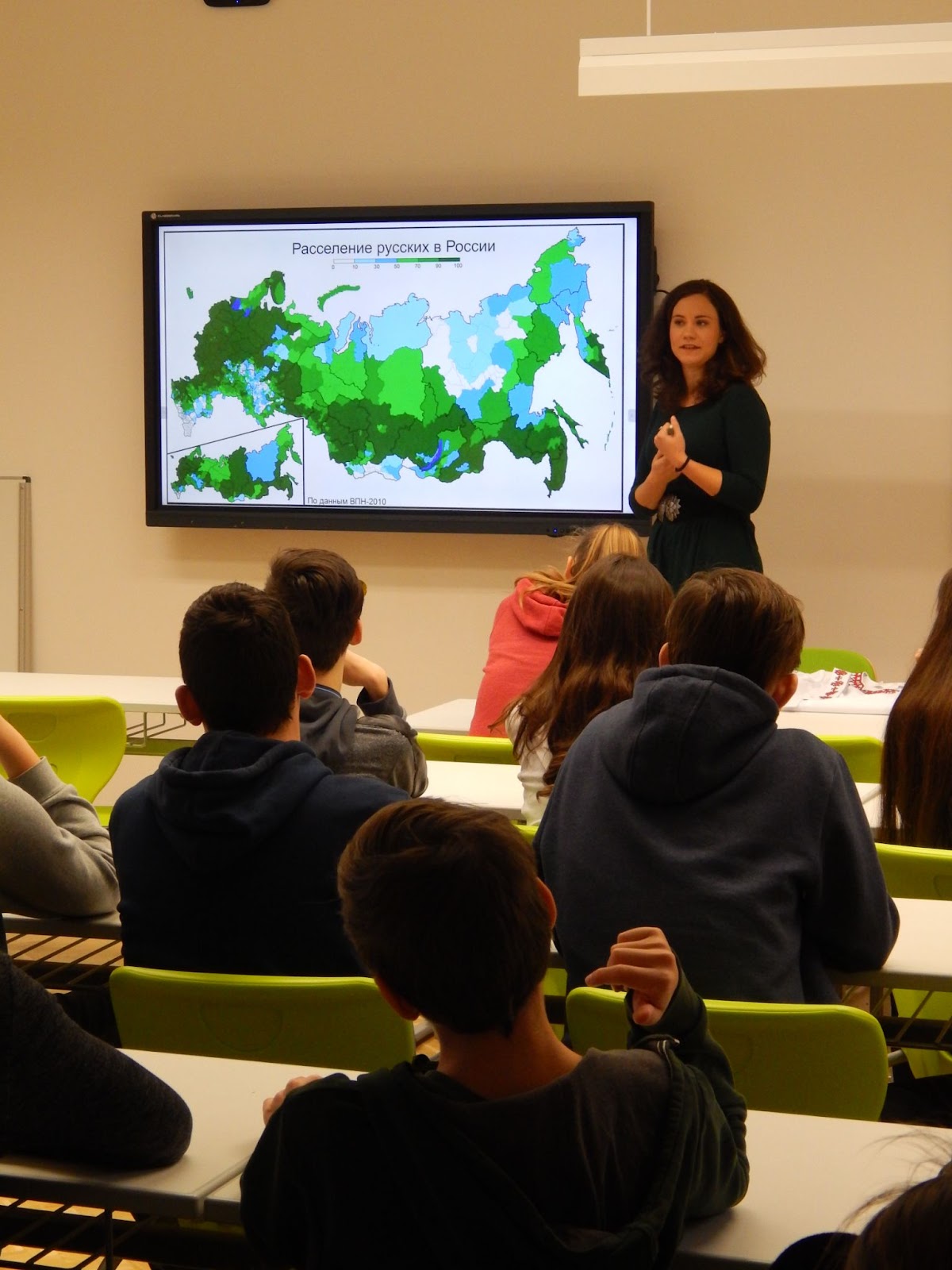
First and foremost, I’m a linguist. I work in academia. And academics tend to be quite skeptical of social media. Understandably so, as academia is everything social media is not. It values rigorous, painstaking analytic work in search of truth, often taking years or decades. That’s its beauty. Its target audience is often narrow, and emotions are out of the question.
Social media, on the other hand, is all about emotion and speed. The whole genre builds on feelings – pride, anger, vindication – to generate clicks and further content. Everything is relative, everyone has “their own truth”. This irks academics who usually have a more intricate understanding on the subject than the level it is discussed on. Who hasn’t been frustrated by a completely made-up story gaining millions of views while the article they spent a year writing and researching is barely read by its reviewers? Who hasn’t rolled their eyes reading another dumb post about Finnish being the most ancient and complicated language in the world?
Although social media is often viewed as an endless source of stupidity, it has still become one of my biggest sources of joy and validation. I found that people still crave authentic voices, actual experts of their fields. They’re grateful for new knowledge, even if it’s something they’ve never heard about. As a matter of fact, people love learning about Finno-Ugric languages, etymology or sociolinguistics, or whatever you throw at them if you throw it right.
But what does it mean, throwing it right? It’s all about presentation, dressing the content into accessible clothing. Here are some examples.
First, everything is more accessible if linked to something familiar. This is very tangible with memes, which are familiar frameworks reinterpreted over and over. Filling up a mainstream meme template with niche Finno-Ugric content is delightful. But the same idea can be caught with the Udmurt Despacito, or when Chuvash creators made ASMR videos playing with their folk jewellery: the familiar frame is the vessel that makes the new information attainable.


Second, people like tension, between new and old, high-class and low-class. Linguistic minorities are usually associated with being folksy, historic, rural, conservative. Therefore, it’s intriguing to see them in a young, contemporary, urban and globalistic environment. Udmurt graffities or Mari ethno-punk challenge people’s preconceptions on these people, and create interest.

Third, everybody likes a good story. It doesn’t have to be an actual journey with exposition, conflict and resolution, but with correct pacing (no more than 2 sentences in each paragraph) and illustration they can be irresistible. I have made threads about Russian hostility towards Finno-Ugric movements, spies, the role of the Estonian Institute, or Estonia’s importance in the Finno-Ugric movement – all ended up attracting a lot of attention, as it was broken down to bite-size chunks for people to digest.
Fourth, never underestimate beauty, but don’t rely only on that. The internet is full of beautiful girls in folk clothes. But it’s way more interesting to add a story to the picture: that Udmurt brides wouldn’t cut a neckhole into the shirts they had woven until they got married, or that the rim of the Khanty dresses depicted the tribe they belonged to, e.g. a young grouse or a pike.
And fifth, everything that makes you happy and interested probably makes others happy and interested as well. Funny? Share it. Inspiring? Share it. Shocking? Definitely share it. Nothing is as contagious as passion, and everybody likes to listen to people with passion.
Knowledge is currency. It makes people richer – more educated, more interesting – compared to others. It’s fun, it’s inspiring, it’s irresistible. People like to be rich and are grateful if you make them so.
And what to do with fake news? First, there’s no point in getting frustrated. It’s neither polite nor effective to shame a person for spreading untrue facts. Second, it’s not nice to rob anyone from their currency and not give them anything instead. So if you choose to debunk a myth (no Jussi, Finnish is not the most complicated and ancient language in the world), try to give an actual fun fact in exchange (but did you know kahdeksan and yhdeksän is actually ‘two from ten’ and ‘one from ten’? Did you know the word tundra comes from tunturi?). Jussi had fake money. I told him it’s fake but at least I gave him real money instead.
Is this shallow? Maybe. But it’s my job to be a Finno-Ugric expert, not theirs. As one Cyanide&Happiness comic once said, sharing fun facts is not loving science, it’s looking at its ass as it walks by. But it’s nice to have an ass worth looking at.
 Bogáta Timár